
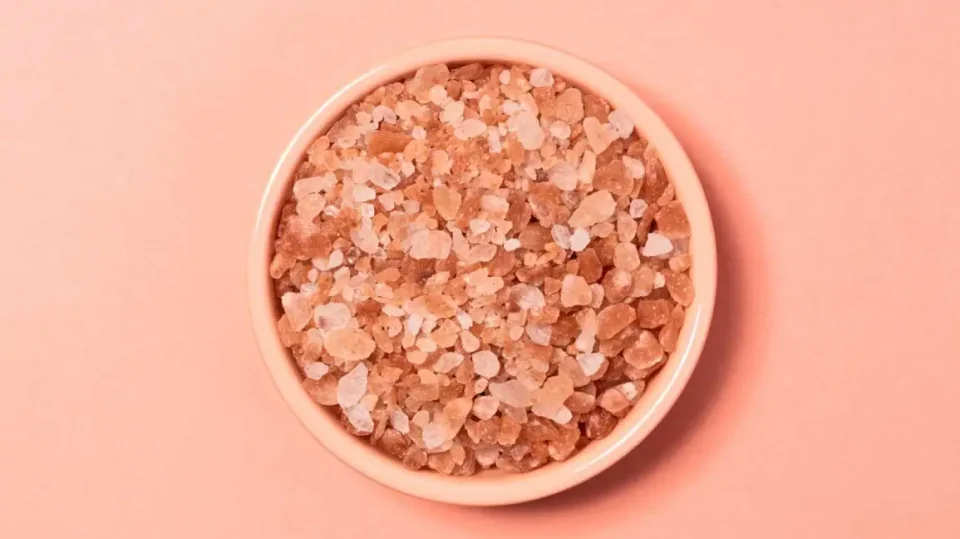
In the world of natural health and wellness, Himalayan salt sole (pronounced so-lay) water has gained attention for its supposed ability to hydrate, balance electrolytes, and even detoxify the body. But what is sole water, and does it truly offer the health benefits many claim? Let’s explore the science, debunk some myths, and walk through how to make it at home.
What is Himalayan Salt Sole Water?
Sole water is a simple yet mineral-rich solution made by dissolving unrefined Himalayan salt in water until it reaches saturation. The result is a concentrated liquid packed with trace minerals, including magnesium, calcium, and potassium. Advocates believe that incorporating a small amount of sole water into your daily routine can support overall wellbeing.
The Claimed Benefits of Sole Water
- Hydration and Electrolyte Balance: Since Himalayan salt contains essential minerals, some suggest that sole water may help maintain hydration by replenishing electrolytes, particularly after exercise or during hot weather. However, the concentration of these minerals in a daily serving of sole water is quite low compared to other sources, such as mineral-rich foods or electrolyte drinks.
- Supports Digestion: Drinking a diluted amount of sole water first thing in the morning is thought to stimulate digestive enzymes and aid gut function. Some proponents believe it may help reduce bloating and improve nutrient absorption. While there’s limited scientific research specifically on sole water, we do know that minerals like magnesium play a role in digestion and muscle function, including those in the gastrointestinal tract.
- Alkalising the Body – Myth or Reality? A common claim is that sole water helps “alkalise” the body, creating a more balanced pH. However, the body’s pH is tightly regulated by organs like the lungs and kidneys, and dietary choices have minimal impact on systemic pH levels. While sole water may contain beneficial minerals, it is unlikely to significantly alter the body’s acidity or alkalinity.
- Improved Sleep and Stress Reduction: Himalayan salt is a natural source of magnesium, which is known for its role in relaxation and sleep quality. While sole water does contain trace amounts of magnesium, the concentration may not be high enough to make a noticeable difference unless supplemented by a diet rich in magnesium-containing foods.
How to Make Himalayan Salt Sole Water
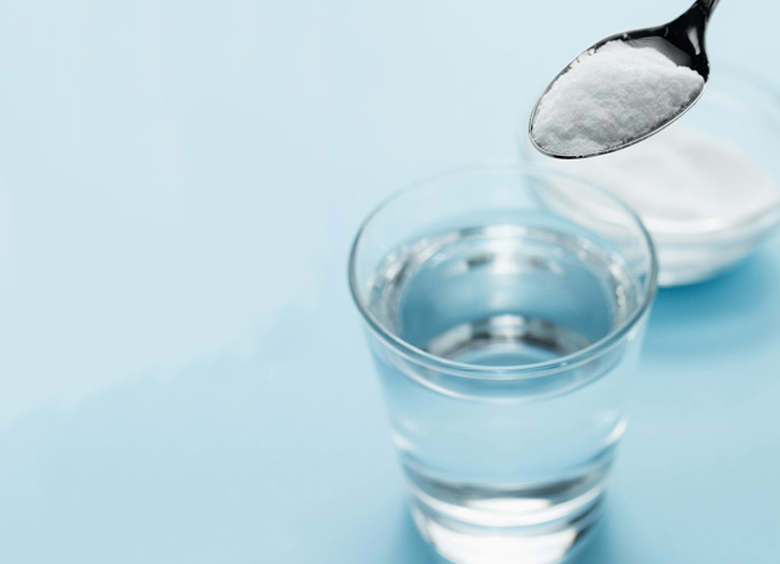
Making sole water at home is simple and requires just two ingredients: high-quality Himalayan salt and filtered water.
Ingredients:
- 1 cup of high-quality Himalayan salt (such as the premium options available from The Salt Box)
- 2–3 cups of filtered or spring water
- A glass jar with a non-metallic lid
Instructions:
- Fill the jar about one-third full with Himalayan salt.
- Add filtered water, leaving some space at the top.
- Cover the jar with a plastic or wooden lid (avoid metal, as salt can be corrosive).
- Shake or stir the mixture and let it sit overnight.
- In the morning, check to see if all the salt has dissolved. If there are still salt crystals at the bottom, the water has reached saturation, meaning it is now sole water.
How to Use Sole Water
To consume sole water, add ½ to 1 teaspoon of the solution to a glass of water and drink it first thing in the morning. Avoid consuming large amounts, as excessive salt intake can be harmful to blood pressure and kidney function.
The Verdict: Is Sole Water Worth It?
While Himalayan salt sole water contains valuable minerals, its benefits should be viewed realistically. It can be a complementary addition to a balanced diet, but it is not a cure-all or a replacement for proper hydration and nutrition.
