
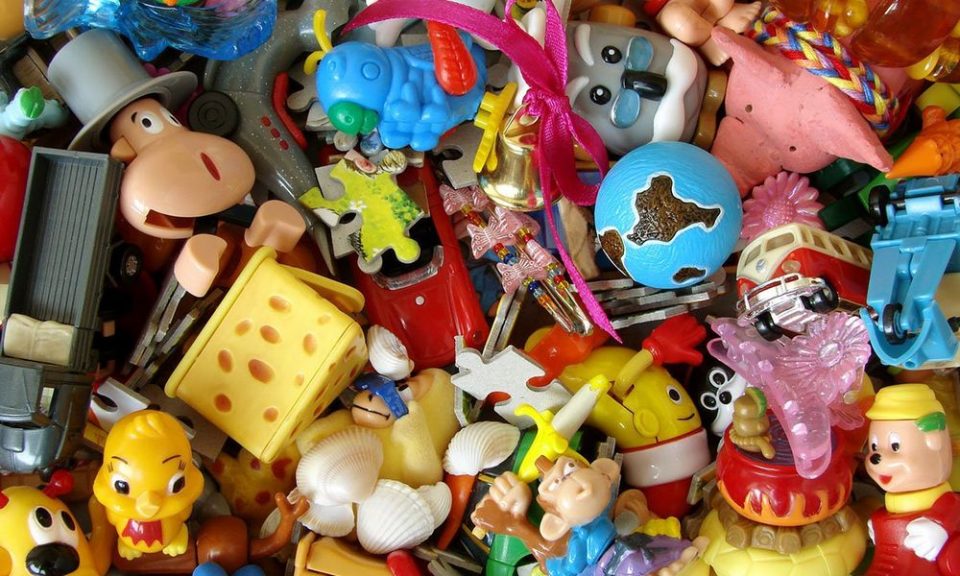
In an age of high-tech gadgets and screen-based entertainment, it might come as a surprise that retro toys are experiencing a major resurgence. From classic wooden puzzles to wind-up tin robots and vintage board games, old-school playthings are once again capturing hearts across generations. But why are these nostalgic treasures making such a strong comeback? Let’s explore the reasons behind this retro revival.
A Sentimental Connection
Nostalgia is a powerful force. Many adults today are seeking out the very same toys they cherished as children, eager to share them with their own kids or relive fond memories. The joy of winding up a tin toy or hearing the clack of wooden dominoes sparks a sentimental warmth that modern electronic toys simply can’t replicate. Parents and grandparents, in particular, are rediscovering the charm of timeless playthings and introducing them to younger generations. This emotional connection fosters a shared experience, bridging the gap between past and present in a way that digital entertainment struggles to achieve.
The Allure of Simplicity
In a world filled with overstimulation, retro toys offer a refreshing break from screens and complex tech. Classic toys encourage hands-on engagement, creativity, and problem-solving skills without the need for batteries or Wi-Fi. From spinning tops and marbles to intricate dollhouses and train sets, these toys invite children to use their imagination, fostering cognitive development in a way that flashy, automated toys often overlook. The beauty of simplicity is that it allows kids to explore, experiment, and play at their own pace – something increasingly rare in today’s fast-moving digital world.
Quality Craftsmanship & Sustainability
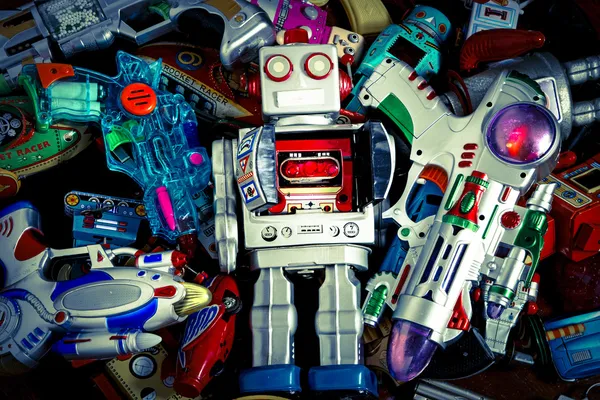
Unlike many mass-produced plastic toys, traditional retro toys are often made from durable, natural materials like wood and metal. This not only makes them more long-lasting but also aligns with today’s growing emphasis on sustainability. Parents are increasingly seeking out eco-friendly, non-toxic toys that don’t contribute to landfill waste. Specialist stores like Geppettos Workshop, for example, offer beautifully crafted wooden toys that not only stand the test of time but also embody the charm and quality of classic play. These heirloom-quality pieces are often passed down through generations, adding to their sentimental value.
A Break from Digital Overload
With children spending more time on screens than ever before, many parents are actively looking for ways to encourage more tactile and interactive play. Retro toys offer an ideal solution, providing a welcome alternative to digital devices and encouraging hands-on engagement. Toys that require physical interaction – such as stacking blocks, wind-up mechanisms, and musical instruments – help improve motor skills, coordination, and patience. They also promote face-to-face social interactions, which are essential for a child’s emotional and social development.
The Influence of Pop Culture
The resurgence of retro toys isn’t happening in isolation – pop culture has played a significant role in this trend. Television shows, films, and even social media influencers have revived interest in nostalgic playthings. For instance, the re-release of classic video game consoles, the return of beloved action figures, and the popularity of vintage board games in cafes and bars all contribute to the growing demand for old-school fun. Many toy manufacturers have even begun reissuing iconic toys from past decades, sparking a wave of enthusiasm among collectors and new audiences alike.
A Gift That Stands the Test of Time
In an era where many toys are quickly forgotten or discarded, retro toys hold a lasting appeal. Their timeless nature ensures they remain relevant and cherished, whether as part of a collection, a child’s playroom, or a family tradition. Whether you’re looking to introduce your little ones to the joys of classic play or searching for a nostalgic gift that sparks childhood memories, there’s never been a better time to embrace the magic of retro toys. As the saying goes, “everything old is new again” – and in the world of play, that couldn’t be truer.
